December 29, 2025
Keeping an aquarium can be a rewarding hobby, but ensuring the health of your aquatic environment requires consistent care. This article provides practical tips for maintaining a thriving aquarium throughout the year, supporting both a balanced ecosystem and a visually appealing display. According to BRT AG & TURF, roughly 12 million U.S. households keep fish, amounting to an estimated 30–40 million people living in fish-keeping homes at any given point from 2015 to 2025.
Maintaining an aquarium can also provide a relaxing and enjoyable experience, offering opportunities to learn about different species and their natural behaviors. Observing fish in a well-kept aquarium can be calming and enhance the aesthetic appeal of any room. Over time, a thoughtful approach to aquarium care helps create an environment where both plants and fish flourish naturally.
Additionally, taking the time to engage with your aquarium and notice subtle changes can be a satisfying way to connect with the aquatic environment. Developing small routines and spending a few minutes each day observing the tank encourages mindfulness and a deeper appreciation for the living system you maintain. Even simple observation can make hobbyists more attuned to the needs of their aquatic environment and help prevent potential issues from developing.
Monitor Water Quality in Aquariums
Maintaining water quality is essential for the health of your aquarium. Monitoring parameters such as pH, ammonia, nitrite, and nitrate levels helps detect issues early and allows for timely adjustments. Proper water quality supports both the physiological and behavioral health of fish and plants, which is fundamental to sustaining a thriving aquarium environment.
Regular monitoring prevents common problems such as algae growth, stress in fish, and disease outbreaks. Routine partial water changes remove accumulated toxins and refresh the environment, ensuring a stable and thriving habitat. These practices also create a more visually appealing display, contributing to the overall enjoyment of the aquarium.
In addition to these basic steps, hobbyists may notice subtle changes in water clarity, smell, or color over time.
Observing these small cues and responding appropriately can make a significant difference in maintaining a comfortable environment for aquatic life. Keeping a simple log or routine schedule for water checks can help ensure consistency and provide a clear picture of how the aquarium evolves over time.
Maintain Effective Filtration Systems
Choosing the right filtration system is integral to a healthy aquarium. Proper filtration supports water clarity, removes impurities, and fosters a balanced environment for aquatic life. Filtration is a continuous process that ensures the water remains clean and suitable for both plants and fish over time.
Regular maintenance of the filtration system is also important. Cleaning or replacing filter media as needed ensures efficient operation and helps maintain water quality. Consistent care of the filtration system supports beneficial bacteria and contributes to a stable ecosystem, which is essential for a thriving aquarium.
Spending time understanding how filtration interacts with the overall tank environment can also be helpful. Observing water circulation and ensuring that equipment operates smoothly support a stable and comfortable habitat for aquatic life. Even basic attention to the movement of water and the general performance of filters contributes to a healthier tank and more consistent water quality.
Provide Proper Feeding for Fish
Determining appropriate portions is a fundamental part of maintaining a healthy aquarium. Overfeeding not only compromises water quality but can also cause unnecessary stress for fish, leading to behavioral changes and potential health problems. By offering only the amount of food that fish can consume within a few minutes, hobbyists can minimize excess waste, prevent water contamination, and preserve a clean, balanced environment. Thoughtful portioning helps ensure that each feeding contributes positively to the overall well-being of the aquatic ecosystem.
Selecting nutrient-rich food promotes growth, vitality, and coloration in fish. Different species have unique dietary needs, so providing a varied and balanced diet enhances health and supports natural behaviors. Establishing a consistent feeding schedule further stabilizes the tank environment and fosters a sense of routine for the aquatic inhabitants.
It is also beneficial to observe how fish respond to feeding routines. Paying attention to their behavior, swimming patterns, and activity levels can indicate whether adjustments are needed. Gradually refining feeding routines based on observation helps create a rhythm that supports both fish health and overall aquarium stability. Simple mindfulness during feeding times can enhance the enjoyment of aquarium care and foster a deeper understanding of the inhabitants' needs.
Optimize Aquarium Lighting
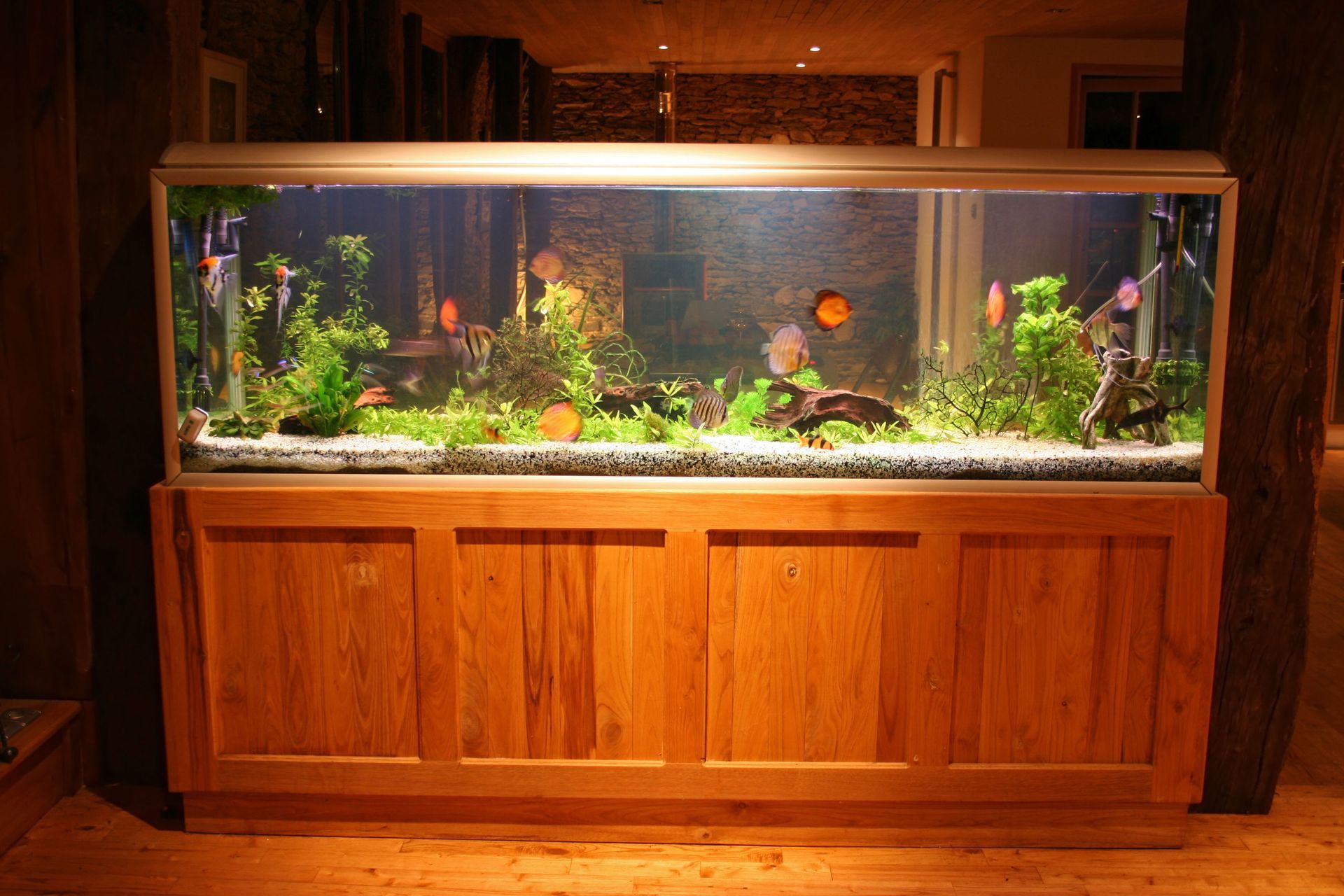
Lighting is important for supporting plant growth and enhancing the appearance of your aquarium. Adequate light supports photosynthesis, oxygen production, and nutrient cycling, contributing to a healthy ecosystem. Proper lighting also enhances the colors and patterns of fish, adding to the visual appeal of the aquarium.
Choosing energy-efficient lighting options and establishing a consistent light schedule helps maintain both plant health and visual appeal. Most aquariums benefit from roughly 8 to 12 hours of light daily, simulating natural day-night cycles while minimizing excessive algae growth. Consistency in lighting promotes stability for both plants and aquatic animals.
In addition to technical considerations, lighting can influence the overall ambiance of the aquarium. Adjusting brightness and maintaining a gentle balance of light can enhance both visual enjoyment and perceived depth of the tank. A consistent approach to lighting helps create a natural and comfortable environment for all aquatic life.
Balance Ecosystem Interactions
Ensuring compatibility among species is critical for a stable aquarium. Certain fish, invertebrates, and plants have specific needs or behaviors that may not align with others. Planning your aquarium population carefully supports harmony, prevents aggression, and maintains environmental balance, creating a more comfortable space for all inhabitants.
Understanding the nitrogen cycle is also essential. Beneficial bacteria convert harmful substances like ammonia into less toxic compounds, helping maintain water quality. Regular monitoring ensures that this balance is sustained, promoting a healthy environment for all inhabitants and supporting long-term aquarium stability.
Thoughtful placement of plants, decorations, and hiding spots can contribute to a well-balanced ecosystem. Providing varied spaces within the tank allows different species to thrive while reducing potential stress. Paying attention to the overall setup and making considered adjustments over time can further enhance the stability and enjoyment of the aquarium.
Adjust Aquarium Conditions Seasonally
Seasonal changes can influence room and water temperatures. Maintaining stable conditions using heaters, fans, or careful placement of aquariums helps protect fish and plants from thermal stress. Monitoring temperature fluctuations ensures a comfortable environment for all species throughout the year.
Adjusting routines based on seasonal variations can support the overall health of the aquarium. Placing aquariums away from drafts or direct sunlight and monitoring water conditions consistently ensures stability year-round. Small adjustments in care routines can prevent unnecessary stress on the ecosystem.
Beyond temperature management, seasonal changes may affect light levels, water evaporation, and plant growth patterns. Being mindful of these subtle shifts and making minor adjustments can help maintain consistency throughout the year. Taking a proactive and observant approach during seasonal transitions ensures that fish and plants remain comfortable and healthy in their environment.
By applying these tips, hobbyists can enjoy a vibrant and well-maintained aquarium all year long. Maintaining proper water quality, feeding routines, filtration, and lighting helps support a balanced and thriving aquatic environment. To explore professional solutions and expert guidance, learn more about the customized aquarium design, installation, and maintenance services offered by Sea Clear Reefs and Aquariums LLC, which provides personalized care for our clients' aquatic displays.