October 26, 2026
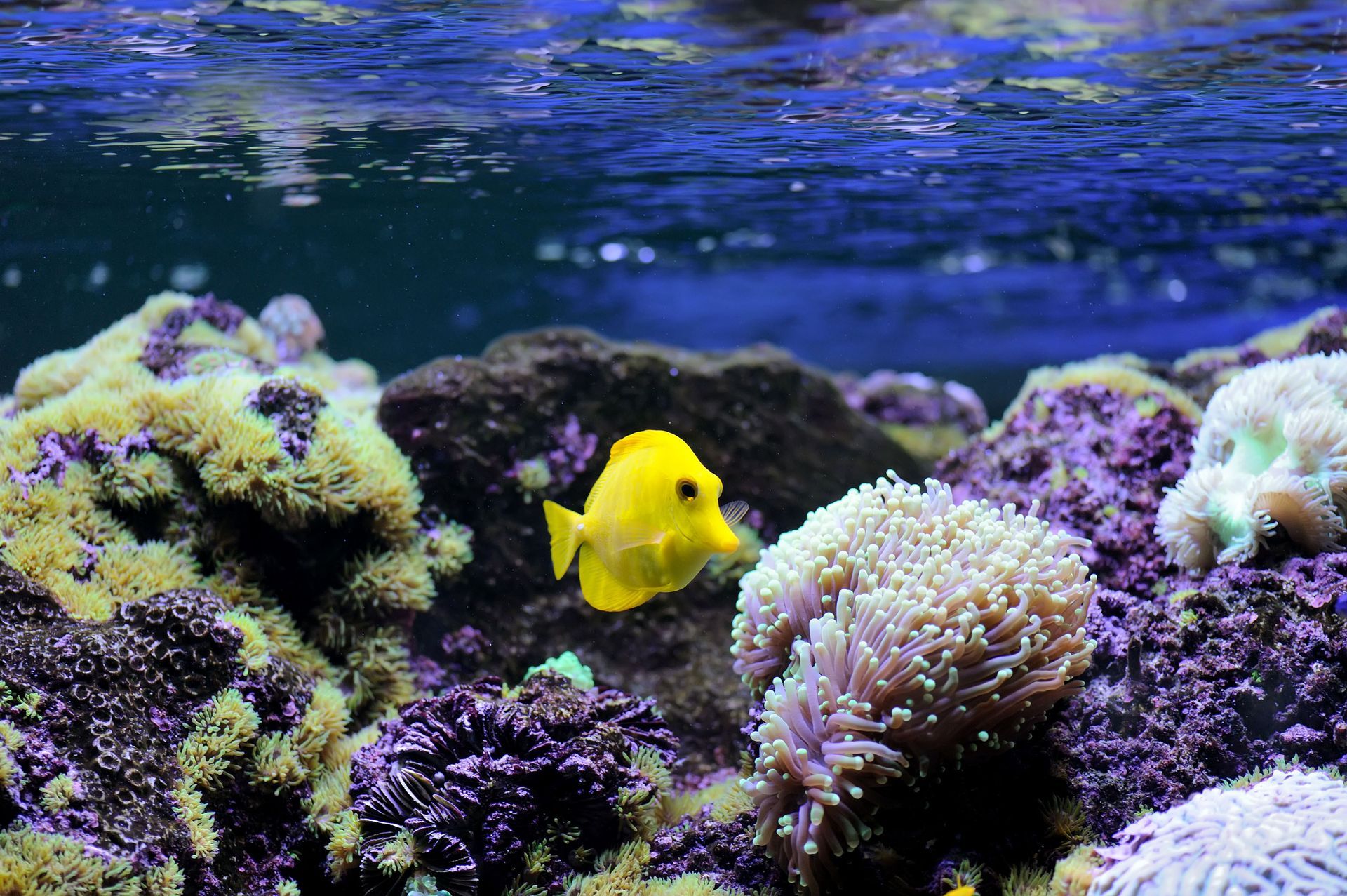
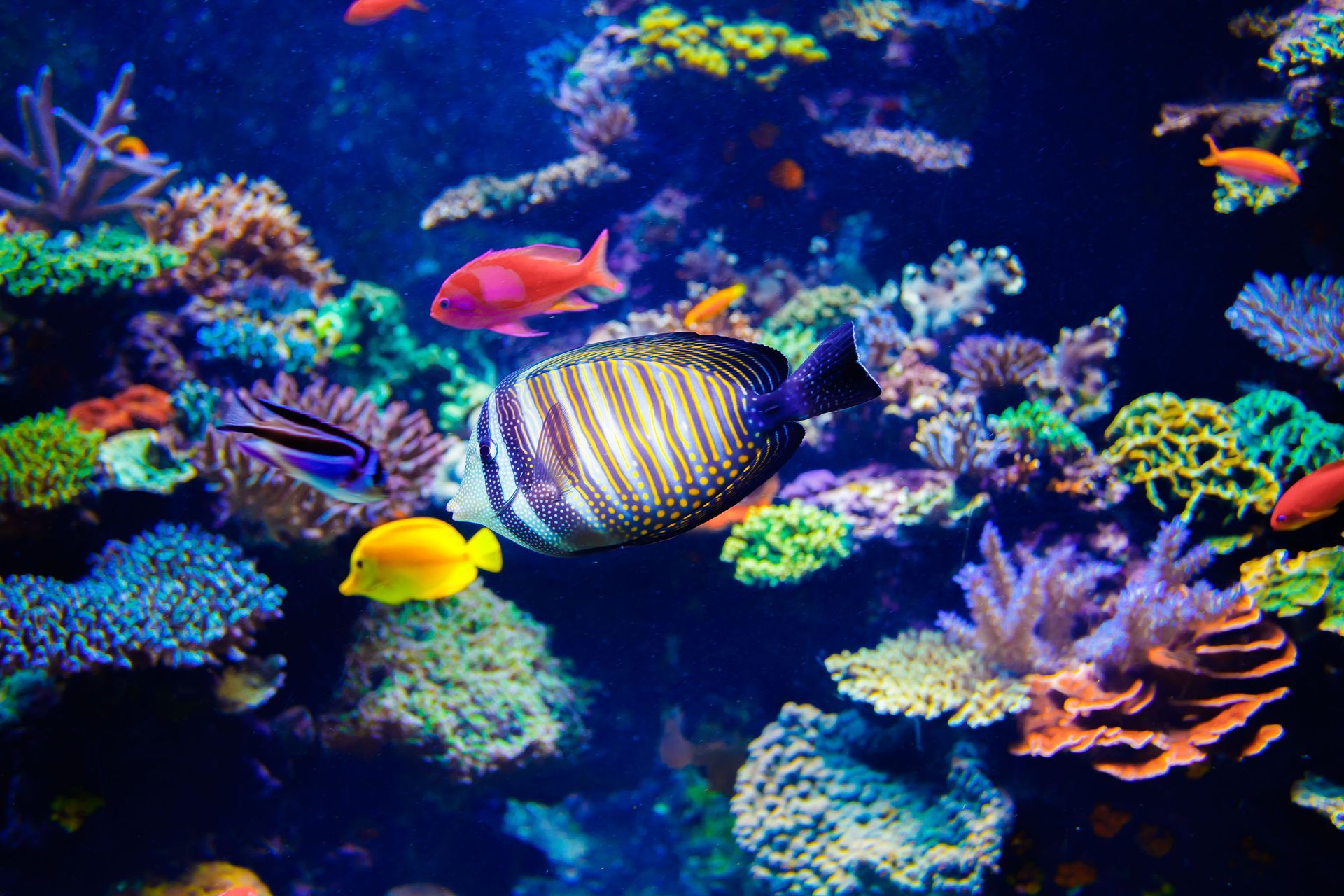
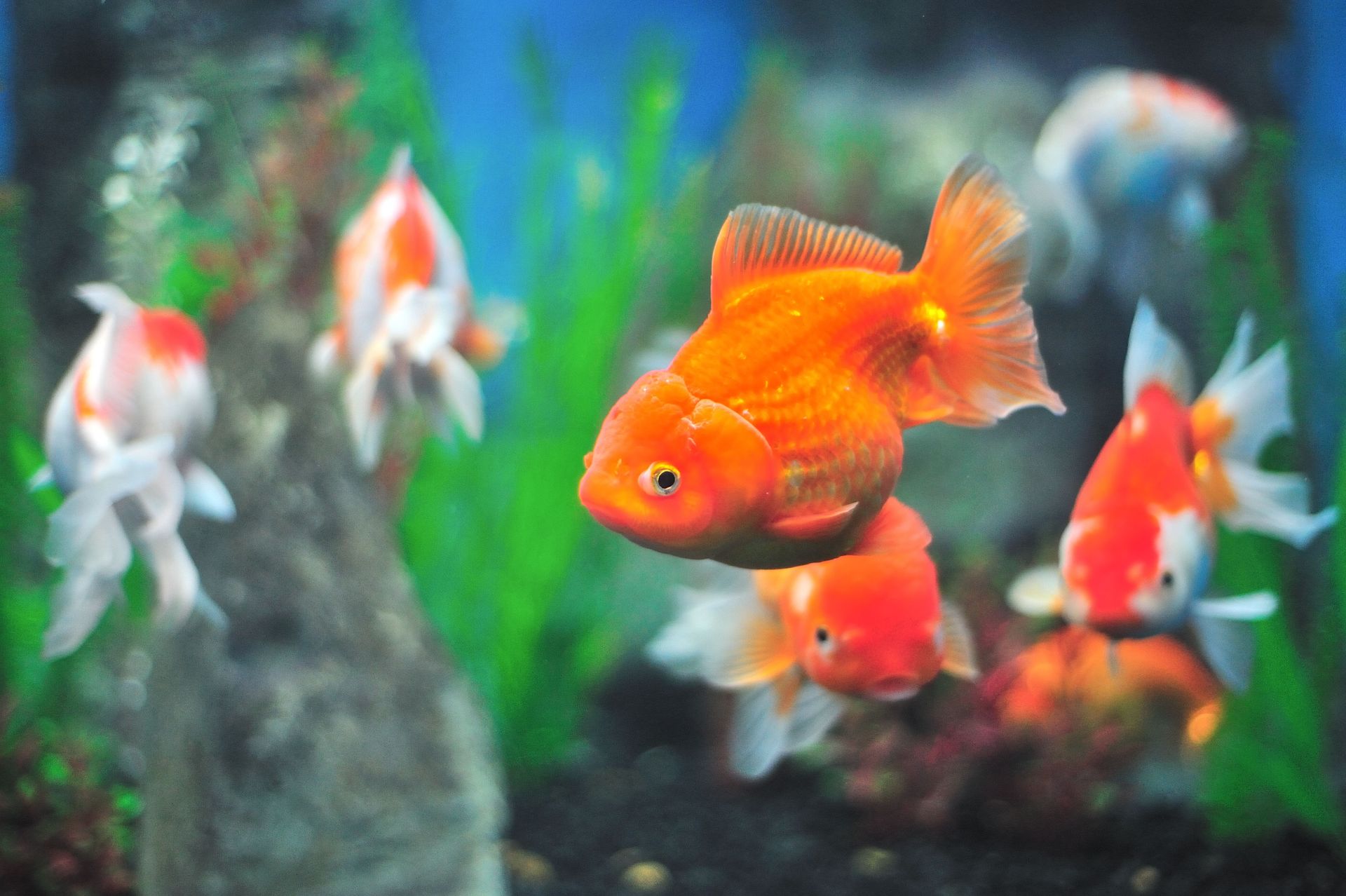
An aquarium can transform an ordinary room into an inviting space filled with movement, color, and natural beauty. Whether installed in a home, office, restaurant, or commercial property, a thoughtfully designed aquarium creates an attractive focal point while offering opportunities to appreciate aquatic life. However, maintaining a healthy underwater environment requires careful planning, appropriate equipment, and consistent attention. Water chemistry, filtration, lighting, and the needs of individual species all influence the success of an aquarium. Professional aquarium services can help property owners navigate these responsibilities while creating displays that complement their surroundings. From initial design and installation to ongoing maintenance and equipment upgrades, experienced professionals provide guidance for different aquatic environments. Understanding the available options can help homeowners and businesses develop beautiful, functional aquariums that remain enjoyable over time.
Designing an Aquarium for Your Space
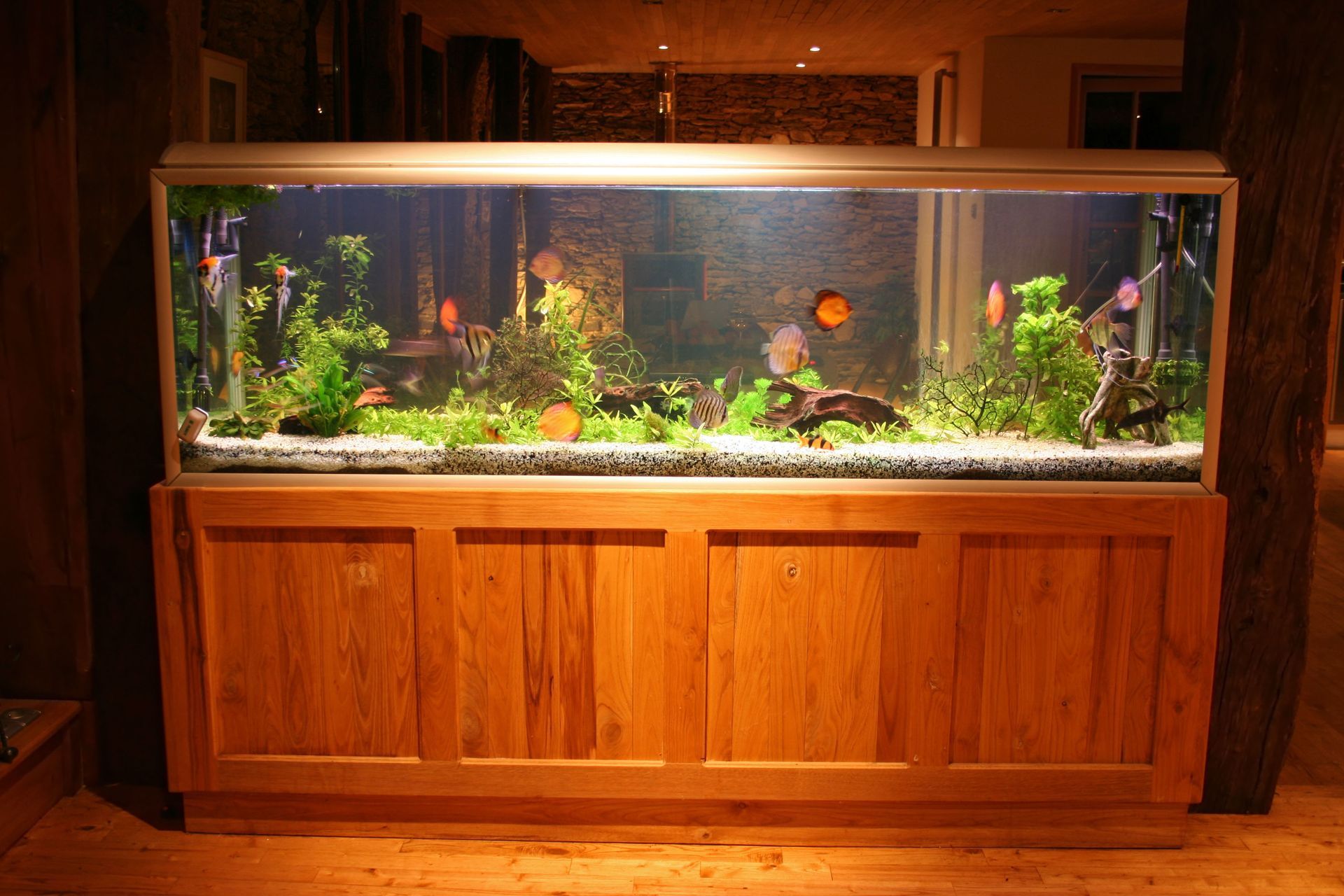
Every aquarium project begins with understanding the available space and the owner's preferences. A compact freshwater tank may complement a home office, while a larger saltwater display can become a centerpiece in a living room or commercial reception area. Tank dimensions, viewing angles, surrounding furniture, and available electrical connections all influence the design. Considering these details early helps create an aquarium that fits naturally into its environment.
Professional designers can recommend suitable tank configurations, materials, and decorative elements based on the intended location. They may also consider access for cleaning, equipment placement, and the weight of the completed installation. An aquarium should be positioned where it can be enjoyed without interfering with everyday activities. Thoughtful planning creates a foundation for an attractive display that remains practical to operate and maintain.
Selecting Appropriate Aquatic Species
Choosing fish and other aquatic organisms involves more than selecting appealing colors and patterns. Different species have specific requirements involving water temperature, chemistry, swimming space, diet, and compatibility. Some fish thrive in peaceful communities, while others require separate environments because of territorial behavior. Researching these characteristics before introducing livestock helps prevent overcrowding and reduces the likelihood of unnecessary stress among aquarium inhabitants.
Experienced aquarium services providers can help owners select species that suit their tanks and maintenance expectations. Freshwater aquariums may feature community fish, planted environments, or specialized species, while marine systems can accommodate carefully selected saltwater organisms. Professionals can also explain appropriate stocking levels and introduction procedures. Matching aquatic life to the available environment supports healthier conditions and makes the aquarium easier to manage over time.
Installing Essential Aquarium Equipment
Aquarium equipment plays an important role in maintaining stable conditions for aquatic life. Filtration systems remove debris and support biological processes that help manage waste. Heaters or chillers may be necessary to maintain suitable temperatures, depending on the species and surrounding environment. Lighting supports visibility and can influence plant or coral growth. Selecting compatible equipment helps establish an environment that meets the needs of its inhabitants.
Professional installation can help ensure that filtration, circulation, lighting, and temperature-control components operate together effectively. Technicians may recommend equipment based on tank volume, livestock requirements, and maintenance preferences. Proper placement also matters because poorly positioned components can interfere with water movement or create accessibility problems. A coordinated installation allows owners to enjoy their displays while reducing avoidable operational complications.
Maintaining Healthy Water Conditions
Water quality is one of the most important considerations in aquarium ownership. Fish, plants, and other aquatic organisms depend on stable environmental conditions to remain healthy. Parameters such as pH, ammonia, nitrite, nitrate, salinity, and temperature may require monitoring depending on the aquarium type. Waste accumulation, overfeeding, and inadequate filtration can disrupt these conditions. Routine testing helps identify developing concerns before they become more serious.
Professional aquarium services can include water testing, scheduled water changes, filter maintenance, and recommendations for correcting imbalances. Maintenance requirements vary between freshwater, saltwater, and reef systems, so a consistent approach should reflect the specific aquarium. Technicians can also help owners understand how feeding practices and stocking levels influence water quality. Regular attention supports a more stable environment and helps protect the investment in aquatic livestock.
Creating Attractive Aquatic Landscapes
Aquascaping involves arranging plants, rocks, driftwood, substrate, and other decorative elements to create an appealing underwater environment. A successful layout balances visual interest with the practical needs of aquatic organisms. Some fish benefit from sheltered areas, while others require open swimming space. Live plants may need particular lighting and nutrient conditions. Decorative materials should also be suitable for the aquarium's water chemistry and inhabitants.
Professionals can develop aquascapes that complement a property's design while remaining manageable over time. Freshwater displays may feature natural planting arrangements, while marine aquariums can incorporate carefully planned rock structures and coral placements. The arrangement should also allow adequate water circulation and access for cleaning. Combining aesthetic considerations with practical requirements helps create an underwater landscape that remains attractive as the aquarium develops.
Supporting Specialized Aquatic Environments
Some property owners want aquatic displays that extend beyond conventional freshwater or saltwater tanks. Specialized environments may include reef aquariums, planted ecosystems, or outdoor koi ponds. Each option presents different challenges involving equipment, water quality, seasonal conditions, and animal care. Koi ponds, for example, require sufficient water volume, appropriate filtration, and attention to environmental changes that can influence fish health throughout the year.
According to The Business Research Company, the global koi market is projected to reach a value of $3.19 billion by 2026. This projection reflects the economic significance of koi-related activities and products. Property owners interested in specialized aquatic environments can benefit from professional guidance regarding system design and ongoing care. Understanding the needs of the intended species helps establish an environment that supports long-term enjoyment.
Preventing Common Aquarium Problems
Even carefully maintained aquariums can develop problems that require attention. Cloudy water, excessive algae, unusual fish behavior, and inconsistent temperatures may indicate changes in environmental conditions. Equipment failures can also disrupt filtration or circulation, potentially affecting water quality. Recognizing these warning signs early helps owners respond before minor issues become more difficult to manage. Regular observation remains an important part of responsible aquarium ownership.
Professional aquarium services can help identify the causes of recurring problems and recommend appropriate corrective measures. Technicians may inspect equipment, review maintenance routines, and evaluate water conditions to determine contributing factors. They can also explain preventive practices involving feeding, cleaning, and livestock introduction. Addressing the underlying causes of problems rather than relying on temporary solutions supports a healthier and more dependable aquatic environment.
Simplifying Long-Term Aquarium Maintenance
Maintaining an aquarium requires ongoing attention, even after the initial installation is complete. Routine responsibilities may include cleaning viewing panels, removing debris, checking equipment, trimming aquatic plants, and monitoring water parameters. The frequency of these tasks depends on the aquarium's size, inhabitants, and filtration system. Owners with demanding schedules may find it difficult to complete every task consistently without additional assistance.
Scheduled aquarium services can help homeowners and businesses maintain their displays without managing every technical detail independently. Professionals can establish maintenance routines based on the needs of each system and identify equipment that may require repair or replacement. They may also provide guidance when owners want to introduce new livestock or modify an existing display. Consistent professional support makes aquarium ownership more manageable while helping preserve its appearance and functionality.
A professionally designed and maintained aquarium can enhance residential and commercial spaces while providing an engaging way to appreciate aquatic life. From selecting compatible species and installing essential equipment to creating attractive aquascapes and maintaining healthy water conditions, every stage contributes to a successful display. Specialized environments and ongoing maintenance require additional consideration, particularly when aquatic organisms have demanding care requirements. Working with experienced professionals can help property owners make informed decisions, address developing problems, and maintain attractive aquatic environments over time. Whether you are planning your first aquarium, upgrading an existing installation, or seeking dependable maintenance assistance, professional guidance can simplify the process and support your long-term goals. To explore options for creating and caring for a beautiful aquatic display, contact Sea Clear Reefs and Aquariums today.